
Make an appointment
Sedation and general anesthesia for children in dentistry – safe treatment and recovery
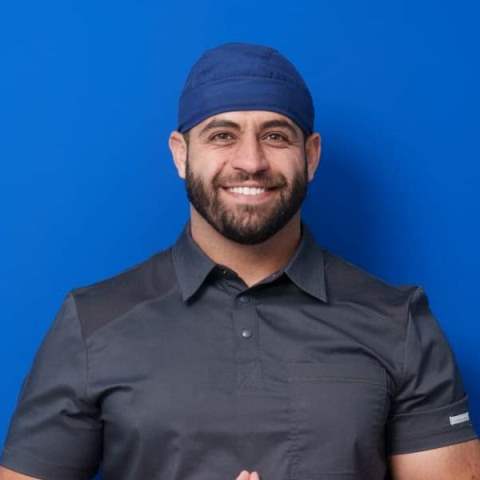
Автор: Аль-Буднаін Алі Муштак
Published date: 23.01.2026
Reading time: 8 mins
Sedation and general anesthesia in pediatric dentistry are needed when it is difficult to perform treatment without them in a quality and calm manner. The method is chosen based on the child’s age, workload, level of anxiety, health, and ability to cooperate with the doctor. According to various estimates, dental anxiety in children occurs in a significant proportion of patients, so the request for a “softer” experience is normal. The key to safety is preparation, monitoring during the procedure, and proper recovery at home.
What is sedation and medicated sleep for children in dentistry
Sedation helps reduce fear, tension, excessive movements so that the doctor can work more precisely. Medicated sleep is used in more complex scenarios when deeper control of the process is required. In both cases, local anesthesia blocks pain, and the “sedating” component is responsible for comfort.
Medicated sleep for children: what distinguishes it from lighter sedation
Medicated sleep for children is a controlled state that is selected individually: from deep relaxation to sleep under the supervision of the team. Before starting, the anesthesiologist collects a medical history (allergies, medications, concomitant conditions, previous experience with anesthesia), and monitors key indicators during treatment.
To make it easier for parents to navigate, the following things are usually agreed upon:
- who is part of the team and who is responsible for monitoring;
- what admission to the procedure and preparation at home look like;
- how long the observation lasts after completion;
- what symptoms to expect in the first hours and when to call the clinic.
This reduces anxiety in adults and helps organize the day without rushing.
Sedation and general anesthesia for children: indications and contraindications
Sedation or anesthesia is discussed when the child is very afraid, quickly gets tired, cannot sit still or needs a large amount of treatment in one visit. Age, behavioral characteristics, concomitant diagnoses, previous reactions to medications are also important. The decision is always made after consulting a dentist and anesthesiologist.
Medicated sleep for children: contraindications - what the doctor clarifies before admission
When medicated sleep is planned for children, contraindications should be assessed not by the Internet, but by a doctor: breathing problems, acute infections, uncontrolled chronic conditions, allergic reactions, as well as drug interactions are of the greatest importance. Sometimes the treatment is postponed, the tactics are changed or divided into several shorter visits if it is safer.
Before making a decision, doctors usually rely on the following “checkpoints”:
- the child’s current general condition (temperature, runny nose, cough, well-being);
- chronic conditions, medications, allergic episodes, convulsive reactions in history;
- the scope of treatment, duration, expected complexity;
- the ability to adhere to the preparation, in particular the fasting regime;
- the willingness of parents to provide supervision on the first day.
If any of this is in doubt, the plan is adjusted so that the risks are minimal.
Treatment of children’s teeth under sedation and anesthesia: how the procedure is carried out
Usually everything starts with a consultation: examination, treatment plan, explanation of pain relief options, preparation. Then they agree on what will be done in one visit, what tests are needed, how to behave after the procedure. On the day of treatment, a calm start is important – without haste, with strict adherence to instructions.
Sedation in dentistry for children: stages of the visit through the eyes of parents
Sedation in dentistry for children most often looks like a sequential process: acquaintance, adaptation, introduction to a state of relaxation, local anesthesia, treatment, observation after completion. It is important for parents to know that the child may react differently: someone is dozing, someone simply becomes calmer, and memories may be fragmentary.
To prepare for the visit without unnecessary nervousness, the following reminder usually helps:
- arrive on time and have a spare time after the procedure;
- take a list of medications, allergies, and chronic condition statements;
- dress the child in comfortable clothes that are easy to take off/put on;
- plan a day without kindergarten/school and active trips;
- ensure that an adult accompanies the child home and supervises them in the first hours.
After treatment, the child is released home only when the condition is stable and the rules for recovery are clear.
Consequences and recovery after sedation or anesthesia in children
After the procedure, drowsiness, tearfulness, short-term irritability, decreased attention, sometimes nausea are possible. In most cases, this passes within a day, although behavior may be “unusual” for several hours. The best tactic is a calm regime, drinking in small portions, careful observation.
How much does a child sleep after anesthesia: what is considered normal in the first day
How much does a child sleep after anesthesia depends on the duration of treatment, medications, age and individual reaction. Often in the first hours, children nap or rest more than usual, and then gradually return to their usual activity. During this period, it is important not to “accelerate” the child, but to let the body recover calmly.
A simple algorithm usually works on the first day:
- rest without active games, jumping, running;
- water in small sips, gradually;
- light food, if the doctor has allowed and there is no nausea;
- pain control according to the scheme given by the doctor (without self-initiation);
- contact the clinic if the symptoms worsen or something unusual appears.
If the child has difficulty breathing, there is repeated vomiting, severe lethargy or a sharp deterioration in the condition - it is better to seek help immediately.
Sedation for children: price, reviews and advice for parents
The cost depends on the duration of treatment, depth of exposure, team composition, monitoring, tests, and the volume of dental work. Therefore, the exact amount is called after the examination and plan, and not «in absentia». It is important to clarify what is included in the cost so that the comparison is fair.
Sedation for children: price - what to ask to understand the estimate
The cost of sedation for children is best discussed through the structure of the service: what is included in the preparation, treatment, monitoring, observation after completion. It is useful for parents to ask not only for a figure, but also for an explanation of what elements make up the amount. This helps to avoid misunderstandings and calmly plan the budget.
Before agreeing on treatment, it is convenient to clarify the following points:
- what exactly is included in the price and whether there are any additional charges;
- how long is the observation period after the procedure;
- what tests are needed and when to do them;
- what restrictions apply on the first day, what to do if you feel sick or weak;
- how to contact the clinic in case of questions after the visit.
When the plan is clear, it is easier for the child to prepare psychologically, and for the parents to organize the day so that the recovery is calm.
FAQ
Is sedation harmful to children?
- According to indications and under supervision, risks are minimized. Selection, monitoring, and following instructions are important.
When is general anesthesia needed for children in dentistry?
- More often in the case of a large volume of treatment or impossibility of cooperation. The final decision is made by the team.
What does general anesthesia for children mean in simple words?
- This is treatment in a state of sleep under the control of an anesthesiologist with constant monitoring of indicators.
Are the reviews about sedation for children indicative when choosing a method?
- Impressions are subjective. The guideline is the indications, safety protocol, recovery plan, and not just emotions.
What are the possible consequences of anesthesia for a child on the first day?
- Drowsiness, weakness, mood swings, sometimes nausea. If the symptoms increase, contact the clinic is required.
Contacts
Address
58, Myru str.
Ivano-Frankivsk
View on map
Work schedule
Monday - Friday
9:00-19:00
Saturday
9:00-18:00
Sunday
Day off
Social links and chats
If you have any questions or proposals for cooperation, write to us:
doc.ali.dental@gmail.com
