
Make an appointment
Recommendations after tooth extraction: what to do, how to reduce pain and properly care for the socket
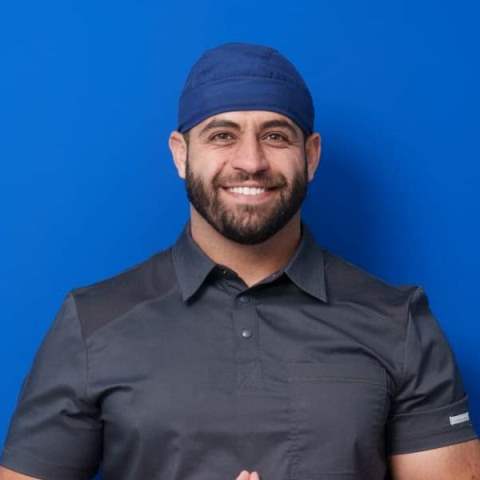
Автор: Аль-Буднаін Алі Муштак
Published date: 18.02.2026
Updated: 26.02.2026
Reading time: 8 mins
The main task after tooth extraction is to help the socket heal without complications and with minimal discomfort. The key to normal recovery is not to disturb the blood clot in the socket, so in the first 24 hours it is important to avoid intensive rinsing and other actions that can wash it out. The recommendations given are general in nature and do not replace the individual instructions of the dentist after a specific procedure.
How long after tooth extraction does the wound hurt and what sensations are considered normal
Tooth extraction is, although common, but still a full-fledged surgical operation that injures soft tissues and nerve endings. Therefore, patients are usually most interested in the question: how long after tooth extraction does the wound hurt? In the first 2-4 hours, anesthesia is effective, and the patient feels only slight numbness. However, as soon as the effect of the drug ends, aching pain appears after tooth extraction, which is a completely natural healing process. Usually, the peak of discomfort falls on the first evening, and after 2-3 days the unpleasant sensations begin to fade.
If you feel that the pain does not decrease, but on the contrary, throbs and becomes more intense, or if the swelling continues to grow on the fourth day, this is a reason to immediately make an appointment with a doctor, since such symptoms may indicate the onset of inflammation. Also, a slight increase in body temperature to 37.5°C on the first day and slight difficulty opening your mouth are considered normal reactions. The speed of recovery directly depends on the complexity of the operation and the individual characteristics of tissue regeneration.
Blood clot after tooth extraction and a healthy appearance of the socket
A blood clot is important for healing. This is not just clotted blood, but a biological “patch” that covers the exposed bone and nerves from bacteria and food debris. It is under this clot that new tissue forms, which will eventually fill the space. It is important to know that an empty and “dry” socket after tooth extraction is the main cause of acute pain. If the clot is washed out or damaged, there is a risk of developing alveolitis. Sometimes patients complain of an unpleasant odor. This is not always a sign of infection: a white or grayish coating on the surface of the clot (fibrin) is the norm. However, if the odor is accompanied by pain and a bitter taste, this may indicate the collapse of the clot, which requires the intervention of a dentist to clean the wound and apply medication.
In order not to violate the integrity of the protective layer, it is strictly forbidden to touch the wound with your tongue, fingers or foreign objects. You should also refuse to drink through a straw, since the vacuum created in the mouth can literally push the clot out of the hole. Take care of this natural barrier, because it is the foundation for successful regeneration.
What to rinse your mouth with after tooth extraction: it is important to know
Many people mistakenly believe that intensive rinsing will help the wound heal faster, but this is the biggest mistake. The question of when you can rinse your mouth after tooth extraction has a clear answer: no earlier than 24-48 hours, and these should not be rinses in the classical sense, but “baths”. The dentist will most likely prescribe a solution of chlorhexidine or miramistin. However, remember: active rinsing can wash away the protective clot. Instead, mouthwashes are used - this is when you simply take the solution in your mouth, hold it for 1-2 minutes on the extraction side and carefully spit it out. Therefore, mouthwashes are the safest method of disinfection. Avoid alcohol tinctures and hot herbal decoctions, as they can provoke bleeding. It is also worth remembering that the solution should be exclusively room temperature. Too cold or hot liquids irritate the wound and can provoke repeated bleeding.
Do baths 3-4 times a day after meals. This will help maintain cleanliness without the risk of developing alveolitis - painful inflammation.
Antibiotics after tooth extraction and effective anti-inflammatory drugs
Surgical intervention often requires medical support, but only a doctor should prescribe medication. Anti-inflammatory drugs are most often prescribed after tooth extraction (for example, based on nimesulide or ibuprofen), which not only relieve pain, but also reduce swelling. As for more serious therapy, antibiotics are not mandatory for every patient. Only the doctor decides when to take an antibiotic after tooth extraction, based on the complexity of the operation: for example, when removing impacted “figure eights” or in the presence of a purulent focus:
- What antibiotic is usually prescribed? Most often, these are broad-spectrum drugs (amoxicillin with clavulanic acid and lincosamides).
- The antibiotic helps prevent the spread of infection deep into the bone.
- An antibiotic for alveolitis is prescribed to treat inflammation of the socket if the initial healing has not gone according to plan.
It is important not to stop the course on your own, even if it seems that everything has already healed, and also to strictly adhere to the dosage so that the drug works as effectively as possible.
Recommendations after tooth extraction: when can you eat and hygiene rules
Successful rehabilitation is based on three «whales»: rest, cold and cleanliness. The main recommendations include refraining from physical exertion and hot baths for the first 3 days. When can you eat after tooth extraction? It is usually recommended to wait at least 2-3 hours until the anesthesia completely wears off (so as not to accidentally bite your cheek or tongue). Food should be soft, room temperature, without small grains or spices. Pay special attention to hygiene: many people are afraid to touch their mouth with a brush, so it is worth knowing how to brush their teeth correctly:
- Use a brush with soft bristles.
- Bypass the socket area for the first 48 hours, brushing only the adjacent teeth.
- It is forbidden to use electric brushes with vibration in the area of surgical intervention.
- Instead of actively spitting out the paste, simply let it drain from your mouth so as not to create a vacuum.
Following these simple rules will minimize risks and ensure a quick return to your usual life.
At Ali's Premium Dental Care (Doc Ali Dental) we take care to ensure that each procedure is as atraumatic as possible. Our head doctor, Al-Budnain Ali Mushtaq, who is an active member of the International Implantology Club (ITI), uses the most modern removal protocols that ensure rapid healing of bone tissue. We use laser technology and microscopy to minimize damage, which allows our patients to feel comfortable the very next day after the visit. At Doc Ali Dental, we provide a personalized rehabilitation plan and stay in touch until complete recovery.
Contacts
Address
58, Myru str.
Ivano-Frankivsk
View on map
Work schedule
Monday - Friday
9:00-19:00
Saturday
9:00-18:00
Sunday
Day off
Social links and chats
If you have any questions or proposals for cooperation, write to us:
doc.ali.dental@gmail.com
