
Make an appointment
IMPORTANT INFORMATION for parents of a child before dental treatment under general anesthesia
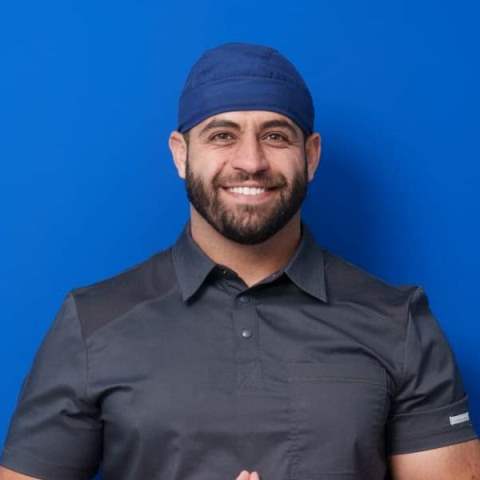
Автор: Аль-Буднаін Алі Муштак
Published date: 08.06.2024
Updated: 19.03.2026
Reading time: 6 mins
Dear parents! Please read the following information before expressing and signing informed consent for your child's proposed dental treatment under anesthesia.
Preparing the child for treatment
Before treatment under general anesthesia (narcosis, medicated sleep), the child cannot eat (this also applies to sweets and drinks) for 4 hours. For drinking on the day of treatment, you can use water, tea, apple juice, decoction - no later than 4 hours before the planned treatment. It is impossible to give a child milk, citrus juices, carbonated drinks (even after «the gas comes out of them»), chewing gum. If the child constantly receives drugs, then their use on the day of treatment must be agreed in advance with the anesthesiologist. If necessary, drink them with a small amount of water. If, despite your efforts, the child ate something 4 hours or drank 4 hours before anesthesia, then the anesthesiologist should be informed about this. For the good of the child, the treatment under anesthesia will be postponed to a later or another date. Concealment of this fact can cause complications that threaten the life of the child.
Dental treatment under anesthesia should be postponed in the event of an infection occurring with fever, cough, runny nose, diarrhea, and a rash in the mouth.
Contact lenses, glasses, rings, rings, chains and other ornaments must be removed. You need to wash off the nail polish and put on a t-shirt or short-sleeved shirt.
I ask you to talk with the child, who is able to understand, and prepare him psychologically for treatment. You should not deceive, but simply convey the necessary information in a way that does not cause anxiety in the child. It is best to explain what will happen and answer questions. If the child was previously afraid of dental treatment, please explain that now he will first fall asleep and wake up with all his teeth treated.
After arriving at our clinic, the child is initially under the supervision of the parents. She will be examined by an anesthesiologist, and her parents will be asked to fill out an anesthesiology questionnaire. You can ask the anesthesiologist all additional questions by phone and directly before anesthesia. If possible, I am asking for your child's outpatient card and other medical documentation. The need for additional examinations should be agreed in advance with the anesthesiologist. We follow the rule of avoiding unnecessary research.
Dental treatment under anesthesia
The child is invited to the dental office together with one of the parents. During the showing of cartoons, the child's vein is catheterized, or the child can breathe through a mask. When the child falls asleep, the parents will be asked to leave the dental office. They can stay in the lobby of the clinic during the treatment of their child.
General anesthesia (narcosis, medicated sleep) consists in the administration of drugs with a hypnotic, analgesic and, if necessary, muscle relaxant effect. The child will not feel or remember anything. An experienced anesthesiologist is responsible for the safety of the patient during anesthesia, who monitors the general condition of the child using modern methods of monitoring vital functions. Constant supervision, electronic monitoring of heart and breathing, high-quality equipment and drugs, qualifications and experience of anesthesiologists allow to reduce the risk of complications to a minimum. In the event of dangerous complications, there is a possibility of hospitalization of the child in a pediatric hospital.
In children with heart defects, with accompanying pathology, the decision to carry out medical sleep is made only after an examination by an anesthesiologist. In the presence of serious inflammatory changes in the teeth, a large number of tooth extractions, an antibiotic is additionally used in order to avoid the spread of infection in the body.
Medicines used in our clinic are of the highest quality — their effect ends shortly after anesthesia. Therefore, children can return home quickly and safely. Side effects, which are observed quite rarely, include: nausea, vomiting, hoarseness, cough, drowsiness, dizziness, increased irritability.
Awakening the child
After the dental treatment, the anesthesiologist transfers the child to the postoperative ward. Then the parents are invited to stay with the child, who will wake up in their presence. For 30-60 minutes, the patient is under the supervision of medical personnel and parents. At this time, the residual effect of anesthetic drugs is still maintained and the child can sleep. Do not wake her up until she wants to. After waking up, the nurse removes the IV catheter from his vein. Parents receive recommendations on drinking and feeding, taking medications, and transporting the child after anesthesia from the anesthesiologist and dentist. After anesthesia, the child must be taken home by car accompanied by an adult in the back seat of the car. Do not use public city transport.
If parents have concerns about the child's condition at home after anesthesia, please call the dentist or anesthesiologist.
IMPORTANT!
Examinations that must be completed before treatment in medicated sleep:1) Blood tests:
- general blood test with formula,
- time of start and end of bleeding,
- blood sugar
Analyzes should not be older than 5-7 days!
2) ECG with interpretation (cardiologist's opinion)
3) ECHO-CS (ultrasound of the heart)
Contacts
Address
58, Myru str.
Ivano-Frankivsk
View on map
Work schedule
Monday - Friday
9:00-19:00
Saturday
9:00-18:00
Sunday
Day off
Social links and chats
If you have any questions or proposals for cooperation, write to us:
doc.ali.dental@gmail.com
